


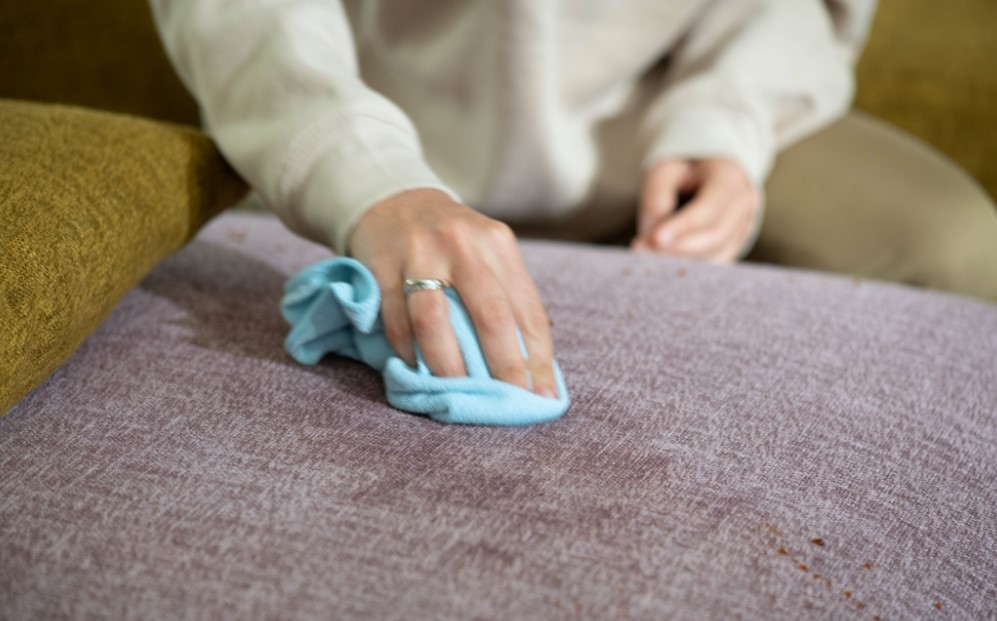

A fabric sofa attracts dust, crumbs, pet hair, odors, and accidental spills over time, which can make it look dull and feel less comfortable. With the right approach, it’s easy to refresh and deep-clean fabric upholstery at home while keeping the material safe and damage-free.
This guide provides clear steps for checking the sofa’s care code, removing loose debris, lifting stains, eliminating odors, and choosing the safest cleaning method based on the fabric type. Whether the sofa needs a quick touch-up or a thorough clean, the process helps restore softness, freshness, and overall appearance—keeping your living space looking neat and well-maintained.
Why Fabric Sofas Get Dirty
Fabric sofas trap lots of everyday grime. Here’s what builds up and why it matters:
-
Dust — airborne particles settle into the fibers and make the color look dull.
-
Crumbs — food particles fall into seams and attract pests or mold.
-
Spills — liquids soak into fabric and leave stains if not treated fast.
-
Body oils — natural oils from skin and hair darken fabric over time, especially on armrests and seats.
-
Pet hair — fur embeds in the weave and holds onto dirt and dander.
-
Odors from food, pets, and moisture — trapped smells develop from cooking, pets, and dampness; hard to remove once absorbed.
Quick preventive tips: vacuum weekly, blot spills immediately, use washable throws on high-use areas, and keep food off the sofa when possible.
Check Your Fabric Care Tag First
Before cleaning a fabric sofa, always check the care tag. Each sofa has a cleaning code that tells you which products are safe and what to avoid. Using the wrong cleaner can cause stains, fading, or fabric damage.
Cleaning Codes: W, S, W/S, X
Most fabric sofas have one of these four codes printed on a small tag, usually under the cushions or underneath the sofa.
W – Water-Based Cleaner
What it means:
You can safely clean the fabric using water-based solutions.
You can use:
-
Mild dish soap + water
-
Fabric upholstery cleaner
-
Steam cleaner (light use)
Do NOT use:
-
Solvent cleaners
-
Alcohol-based products
-
Heavy detergents
S – Solvent-Based Cleaner
What it means:
The fabric should be cleaned with dry-cleaning solvents only. Water can leave marks.
You can use:
-
Dry-cleaning solvent
-
Rubbing alcohol in small amounts
Do NOT use:
-
Water-based cleaners
-
Steam cleaning
-
Soap + water mixtures
W/S – Water or Solvent
What it means:
This is the most flexible fabric. You can use either water-based or solvent-based cleaners.
You can use:
-
Soap + water
-
Upholstery cleaner
-
Dry-cleaning solvent
-
Light steam cleaning
Do NOT use:
-
Bleach
-
Harsh chemicals
X – Vacuum Only
What it means:
This fabric is delicate. It should only be cleaned with a vacuum or a soft brush.
You can use:
-
Vacuum
-
Soft bristle brush
Do NOT use:
-
Water
-
Solvents
-
Steam
-
Any liquid cleaners
Using liquids on X-coded fabrics can cause shrinking, staining, or permanent water rings.
Tools & Supplies You’ll Need
Having the right tools makes cleaning your fabric sofa easier, faster, and safer for the material. Here’s a simple list of what you’ll need and why each item matters.
Basic Cleaning Tools
-
Microfiber cloth
Gentle on fabric, great for wiping, blotting, and lifting dirt without damaging fibers. -
Soft brush
Helps loosen dirt embedded in the fabric, especially along seams and textured areas. -
Bucket
Useful for mixing water-based cleaning solutions like soap and water. -
Spray bottle
Allows you to apply cleaning solutions lightly and evenly without soaking the fabric.
Optional Tools
-
Vacuum
Ideal for removing dust, crumbs, and pet hair before deep cleaning. A brush or upholstery attachment works best. -
Steamer
Helpful for sanitizing the sofa and loosening grime, but only use it on W or W/S coded fabrics.
Quick Cleaning Method (10–15 Minutes)
Here’s a fast and simple way to freshen up your fabric sofa:
-
Remove crumbs
Brush off loose dirt and food particles with your hand or a soft brush. -
Light brushing or vacuuming
Use a vacuum or brush to lift dust, pet hair, and surface debris. -
Wipe with a mild solution
Mix a little dish soap with warm water, lightly dampen a microfiber cloth, and wipe the fabric gently. -
Sprinkle baking soda (optional)
Lightly dust the sofa with baking soda to absorb odors. Let it sit for 10 minutes, then vacuum it off. -
Air-dry
Leave the sofa to dry naturally. Keep windows open for better airflow.
Full Deep-Clean Method
Remove the cushions and shake off loose dirt, then vacuum or brush the entire sofa. Sprinkle baking soda to deodorize and vacuum it off. Spot clean stains, then clean the whole sofa using the method allowed by your fabric code. Wipe off any residue, let it air-dry fully, and place the cushions back.
Cleaning by Material Type
Fabric: Use a water-safe cleaning mix if the tag allows, or a gentle natural solution like mild soap or vinegar. Avoid soaking the fabric and let it air-dry.
Leather: Clean with mild cleaners and always finish with a conditioner to keep the leather soft. Avoid bleach, ammonia, or harsh chemicals that can damage the surface.
Microfiber: Use rubbing alcohol for spot cleaning and wipe gently to avoid water rings. Always let it dry completely.
Velvet/Suede: Brush the fabric softly to lift dirt and use light steaming only when needed. Avoid heavy moisture to prevent marks.
Polyester: Clean with a mild soap-and-water mixture but avoid over-wetting the fabric since polyester can hold moisture.
Cotton/Linen: Use low-moisture cleaning methods, wipe lightly, and let the fabric dry naturally in sunlight to prevent musty smells.
Since many homes have more than one upholstered item, using furniture cleaning services helps keep sofas, chairs, cushions, and other fabric furniture clean and well-maintained with material-safe techniques.
Natural Cleaning Methods
Baking soda works well for deodorizing—sprinkle it on, let it sit, and vacuum it off. For general cleaning, mix vinegar, a little dish soap, and water in a spray bottle and mist lightly on water-safe fabrics. Steam cleaning can help loosen dirt and freshen the sofa, but only if the fabric tag allows it. You can also use a few drops of essential oil mixed with water as a light deodorizer. For a simple DIY disinfectant, combine water, a small amount of vinegar, and mild soap—safe only for W or W/S fabrics.
Stain Removal Guide
For food and drink stains, blot gently and clean with a mild soap-and-water mix. Oil and grease can be lifted by sprinkling baking soda to absorb the residue. Ink marks respond best to a small amount of rubbing alcohol on a cloth. Pet stains should be treated with a mild vinegar solution to clean and reduce odors. For mud and dirt, let it dry first, then brush off the loose soil and wipe with a mild cleaner.
How to Remove Odors from a Fabric Sofa
Baking soda is the easiest way to absorb smells—sprinkle it on, let it sit, and vacuum it off. A light vinegar mist can help neutralize stronger odors on water-safe fabrics. Placing cushions in sunlight also helps kill mild odors naturally. Steam can refresh and remove trapped smells if the fabric tag allows it. For pet or deep odors, enzyme cleaners work best. You can also place charcoal bags nearby to absorb lingering smells over time.
How to Dry a Fabric Sofa Properly
Let the sofa dry naturally by keeping the room well-ventilated. Use fans or open windows to speed up airflow without using heat. Avoid hairdryers or heaters, as high heat can damage the fabric or cause shrinkage. Most sofas take a few hours to fully dry, depending on the material and how much moisture was used during cleaning.
How to Clean a White Fabric Sofa
Keep a white fabric sofa clean with simple daily upkeep like light brushing or quick vacuuming. For stains, use gentle cleaners and blot instead of rubbing to avoid spreading the mark. Prevent yellowing by cleaning spills quickly and avoiding harsh products. If your sofa has slipcovers, wash them regularly on a gentle cycle. Be careful with sunlight—too much direct sun can fade or discolor white fabric over time.
Preventive Care Tips
Do simple weekly maintenance like light vacuuming to keep dirt from building up. Use a fabric protector spray to help prevent stains. Rotate the cushions often so they wear evenly. Set clear pet rules to reduce fur and scratches, and keep the sofa as a no-food zone to avoid crumbs and spills. Protect the armrests with covers if they get heavy use, and keep the sofa away from direct sunlight to prevent fading.
When to Call a Professional
Call a professional if your sofa has a Code X tag, since it can’t be cleaned with liquids. Deep or set-in stains that won’t lift on their own also need expert help. If odors stay even after cleaning, a pro can treat the deeper layers. Mold or mildew should always be handled professionally for safety. You should also seek help if the cushions are damaged or losing their shape.
In these situations, choosing reliable upholstery cleaning services ensures deep stain removal, odor treatment, and safe fabric care using the correct methods for each upholstery type—without risking shrinkage, fading, or damage.
For a full overview of available options and expert support, you can explore our professional cleaning services in Dubai and choose the right solution for your sofa and other upholstered furniture.
FAQs
Easiest way to clean a fabric sofa:
Wipe with a mild soap-and-water mix and let it air-dry.
How to clean without a vacuum:
Use a soft brush to remove dust and crumbs, then wipe with a damp cloth.
How often to deep clean:
Every 2–3 months, or sooner if you have pets or kids.
Is vinegar safe?
Yes, but only on W or W/S fabrics. Avoid it on S or X codes.
Can I use baking soda on all fabrics?
Yes, it’s safe for deodorizing most fabrics, including delicate ones.
How long does drying take?
Usually a few hours, depending on airflow and fabric thickness.
Cleaning removable covers:
Wash on a gentle cycle in cold water and air-dry to prevent shrinking.
Best cleaner for fabric sofas:
A mild dish-soap-and-water solution works for most water-safe fabrics.
Is steam safe for all sofas?
No. Only use steam on W or W/S fabrics. Avoid it on S and X codes.