




starts with understanding the fabric. Linen and cotton are natural, breathable, and durable, but they are also more delicate than synthetic materials. Because they absorb moisture quickly, they can easily shrink, discolor, develop water rings, or pucker when cleaned incorrectly.
That’s why these sofas need gentle methods, such as light blotting, mild cleaners, and careful air-drying. By using safe, simple techniques instead of heavy scrubbing or soaking, you can keep your linen or cotton sofa looking clean, fresh, and protected for years.
Safety Precautions (Must-Read Before Cleaning)
Avoid Harsh Chemicals
Stay away from bleach, ammonia, and strong cleaners because they can weaken natural fibers and cause discoloration.
Avoid High Heat
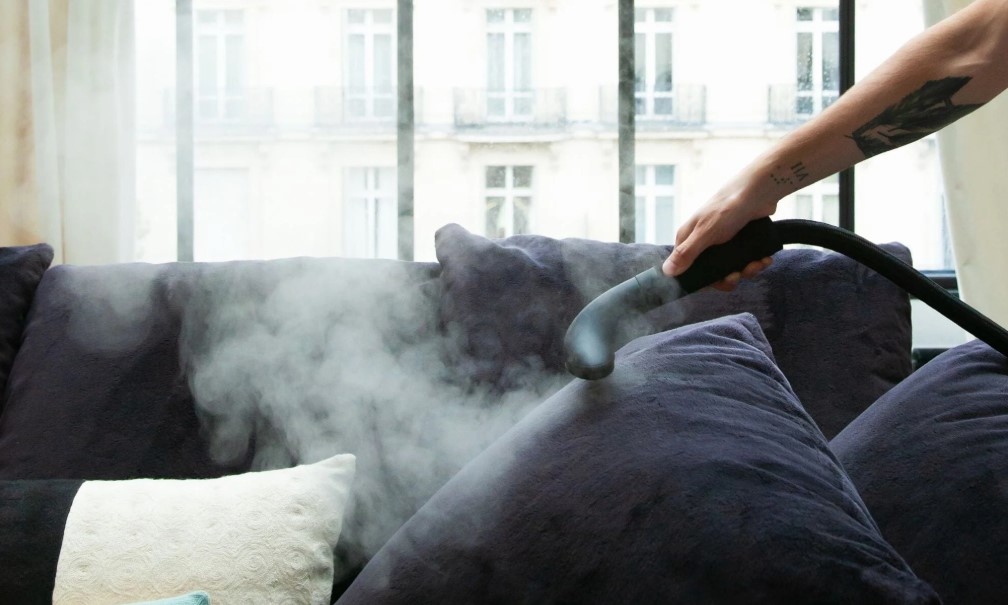
Linen and cotton shrink easily, so avoid hot water, steam, or heat-based tools.
Use White Cloths Only
White cloths prevent dye transfer, which can stain or tint light-colored fabrics.
Do Not Oversaturate the Fabric
Natural fibers absorb water quickly, increasing the risk of water rings, swelling, or distortion.
Avoid Direct Sunlight While Drying
Sun exposure can fade colors and weaken the fabric over time.
Ensure Good Ventilation with Solvent Cleaners
If using rubbing alcohol or solvent-based products, keep windows open and increase airflow.
Blot, Don’t Scrub
Scrubbing can roughen fibers and spread stains—gentle blotting protects the fabric’s texture.
Tools & Supplies You’ll Need
Vacuum with Upholstery Attachment
Helps remove dust, crumbs, and loose debris from seams and fabric surfaces.
Microfiber Cloths
Soft and gentle on natural fabrics, perfect for blotting and wiping without causing damage.
Soft Bristle Brush
Useful for lifting dirt, loosening fibers, and brushing the fabric back into shape.
Mild Dish Soap or Upholstery Cleaner
A gentle cleaning option for water-safe fabrics that won’t harm linen or cotton.
Distilled Water
Prevents mineral spots and water rings, which are common with tap water.
Rubbing Alcohol / Solvent Cleaner
Best for S-coded fabrics, helping remove stains without wetting the fibers too much.
Baking Soda
Naturally absorbs odors and freshens the sofa without damaging the fabric.
Enzyme Cleaner
Effective for pet stains and odors, especially on water-safe cotton or linen.
Spray Bottle
Helps apply cleaning solutions lightly and evenly without soaking the fabric.
Fan for Drying
Speeds up air-drying and helps prevent water marks or mildew.
Quick Weekly Maintenance
Regular weekly upkeep helps keep your linen or cotton sofa clean without needing frequent deep cleaning. Start by using a soft dry brush to loosen dust, lint, and crumbs from the fabric. After brushing, vacuum the entire sofa, making sure to clean seams, corners, and under the cushions where debris builds up the most.
To maintain the sofa’s shape and extend its life, flip or rotate the cushions regularly, especially on cotton sofas that compress more quickly. If needed, do a light spot wipe, but only if your sofa’s cleaning code allows it—natural fabrics can be sensitive, so staying within safe cleaning guidelines prevents accidental damage.
How to Deep Clean a Linen or Cotton Sofa (By Cleaning Code)
W – Water-Safe Fabrics
For W-coded linen or cotton sofas, mix a small amount of mild dish soap with warm distilled water to prevent mineral marks. Lightly dampen a cloth—never soak the fabric—and gently blot stains instead of scrubbing. Rinse the area with a clean damp cloth to remove soap residue, then air-dry completely using a fan if needed. Once dry, lightly brush the fibers to restore their natural texture.
S – Solvent-Safe Fabrics
For S-coded fabrics, fill a spray bottle with rubbing alcohol or a solvent-based upholstery cleaner. Lightly mist the stained area without oversaturating. Blot using a clean white cloth until the stain lifts. While drying, keep the space well-ventilated to help the solvent evaporate safely.
WS – Water or Solvent
WS fabrics allow both water-based and solvent cleaners. Use a water-based solution for light dirt or everyday spots, and switch to a solvent cleaner for greasy or stubborn stains. Always blot gently and let the area air dry fully before using the sofa again.
X – Vacuum Only
For X-coded sofas, stick strictly to vacuuming with an upholstery attachment. These fabrics cannot be treated with water or solvents. Avoid all liquid spot cleaning—if a stain occurs, professional cleaning is the safest option.
Linen and cotton sofas—especially X-coded fabrics—are easy to damage with DIY methods. Choosing specialized sofa cleaning services ensures stains, odors, and deep-seated dirt are removed using low-moisture, fabric-safe techniques that protect natural fibers from shrinking or discoloration.
Stain Removal Cheat-Sheet (Linen + Cotton)
Oil / Grease
Sprinkle cornstarch or talcum powder over the spot and let it absorb the oil. Brush it off gently, then apply a small amount of dish soap to break down the residue.
Coffee / Tea / Wine
Blot the spill immediately to prevent soaking. Clean with mild soap and distilled water, rinse lightly, and allow the area to air dry fully.
Ink
Dab—don’t rub—with isopropyl alcohol, testing on a hidden area first to ensure it doesn’t affect the fabric.
Pet Urine
Apply an enzyme cleaner to break down odor-causing proteins. Blot thoroughly, then rinse the area lightly using distilled water.
Food Stains
Remove any solids first. Apply enzyme cleaner, dab gently to lift the stain, and rinse carefully with distilled water.
Blood
Rinse using cold water only, then apply an enzyme cleaner and blot until the stain lifts.
What NOT to Use
-
No bleach — causes discoloration and fiber damage.
-
No vigorous scrubbing — can weaken or fuzz natural fibers.
Odor Removal for Linen & Cotton Sofas
Sprinkle a generous layer of baking soda over the entire surface of the sofa to absorb trapped odors. Let it sit for 20–30 minutes so it can pull out smells from the natural fibers. After that, vacuum thoroughly using an upholstery attachment to remove all residue.
If you’re dealing with pet odors, apply an enzyme cleaner to the affected spots to break down odor-causing bacteria. Finally, improve airflow and ventilation in the room—open windows or use a fan—to help lingering odors disappear more quickly.
Drying & Finishing Steps
After cleaning your linen or cotton sofa, always air dry the fabric—high heat can shrink or distort natural fibers. If you want to speed up the process, use a fan but avoid placing the sofa in direct sunlight, which can cause fading or discoloration.
Make sure all cushions are completely dry before putting them back to prevent trapped moisture or mildew. Once dry, gently brush the fabric to restore its natural softness and smooth texture.
Preventive Care Tips
To keep your linen or cotton sofa looking fresh for longer, apply a fabric protector spray that matches your sofa’s cleaning code—this helps prevent stains from setting in. Rotate the cushions weekly to maintain even wear and avoid sagging. Always treat spills immediately; the faster you act, the less likely the stain will absorb into natural fibers.
Make a habit of vacuuming weekly to remove dust and dirt before they settle deep into the fabric. Finally, keep your sofa away from direct sunlight and heat sources, which can fade colors and weaken fibers over time.
Since linen and cotton are commonly used across sofas, chairs, and cushions, furniture cleaning services help maintain all natural-fabric furniture with gentle, fabric-appropriate cleaning methods that extend their lifespan.
For a complete view of available options and expert support, you can explore our professional cleaning services in Dubai and choose the right solution for your sofa and other fabric furniture.
FAQs
Can I steam clean a linen or cotton sofa?
Avoid it—high heat is risky and can shrink or distort natural fabrics.
How often should I deep clean?
Every 2–4 months, depending on how often the sofa is used.
Best DIY cleaner?
A mix of mild dish soap + distilled water, but only for W-coded fabrics.
Are linen and cotton safe around pets?
Yes, but be sure to clean hair, spills, and accidents quickly to prevent damage.
Why use distilled water?
Because it prevents mineral spots and water rings, which are common on natural fibers.
Prefer to leave it to the professionals? See our Professional sofa cleaning in Dubai.