





Keeping your home clean matters more than most people realize. A tidy space supports better mental clarity, improves health, reduces allergens like dust and pet hair, and creates a more peaceful atmosphere.
A regularly cleaned home also helps you feel less stressed when guests visit unexpectedly, and it makes daily life easier because everything becomes more manageable and less chaotic.
This guide is designed specifically for beginners, busy individuals, overwhelmed cleaners, and anyone who struggles to stay consistent with household chores.
Whether you’re cleaning for the first time, trying to maintain an organized home while working long hours, or feeling stuck because the mess seems too big to handle, this step-by-step walkthrough will help you clean smarter, not harder.
What You Need Before You Start
Essential Cleaning Supplies
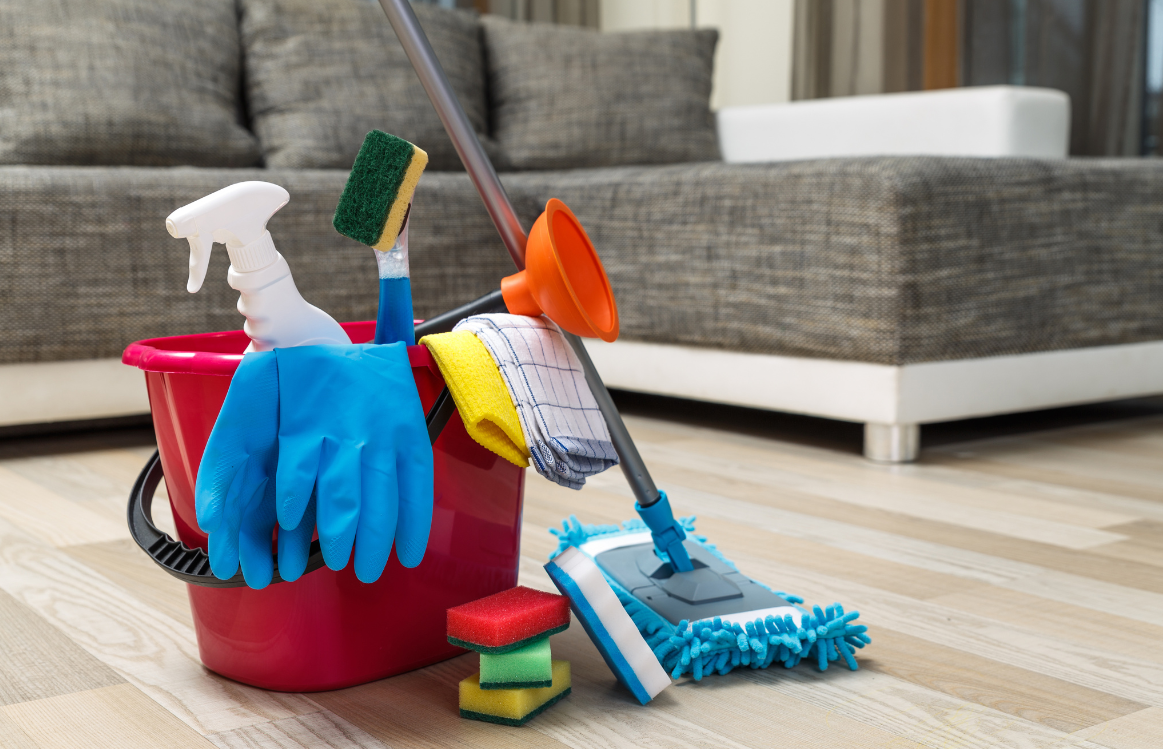
Before you begin, it’s helpful to gather all the basic supplies you’ll need so you’re not walking back and forth looking for things. Having everything ready makes cleaning faster, easier, and far less stressful. You don’t need fancy or expensive products—just a few reliable tools that work well for everyday home cleaning.
A good all-purpose cleaner, a set of microfiber cloths, a simple mop, and a vacuum are usually enough for most homes. If you prefer natural options, items like vinegar and baking soda can clean almost every surface safely and effectively.
Basic Tools You Should Have
A few essentials include an
-
all-purpose cleaner,
-
dish soap,
-
glass cleaner,
-
microfiber cloths,
-
scrub brush,
-
paper towels or reusable cloths,
-
broom or vacuum
-
mop
These cover the majority of cleaning jobs in any room of your home.
Optional but Helpful Tools
Suppose you want to make the process even easier. In that case, tools like a small handheld vacuum, a duster with an extendable handle, or a disinfecting spray can help you move faster—especially if your home collects dust quickly or you have pets.
Natural Cleaning Alternatives
If you prefer gentle, non-chemical options, vinegar and baking soda are two of the most effective natural cleaners.
Vinegar is great for mirrors, windows, and countertops, while baking soda works well on sinks, tubs, and areas with tough stains or odors. You can clean most of your home using just these two ingredients.
Optional Time-Saving Tools
While the basics are enough, certain tools can help you clean more quickly—especially if you’re short on time or want a smoother routine. Microfiber cloths are excellent because they trap dust instead of spreading it around, and you can use them on almost any surface.
A good vacuum cleaner also makes a big difference, especially for apartments with carpets, pets, or kids. It helps you clean floors, furniture, and corners in minutes, making the last step of your routine much faster.
The Golden Cleaning Strategy (What Most People Do Wrong)
Most people waste time cleaning because they do things in the wrong order. They dust after vacuuming, jump from room to room, or start scrubbing surfaces before removing clutter.
This makes cleaning take twice as long and leads to frustration. The following strategies fix that problem and give you a simple, logical method that always works—whether you’re doing a quick clean or a full house reset.
Use the Top-to-Bottom Approach
One of the biggest mistakes people make is cleaning from the bottom up. For example, they vacuum the floors first and then wipe shelves afterward. When you clean this way, dust and crumbs fall to the ground and undo all your hard work.
The top-to-bottom approach solves this. You always start with higher surfaces like shelves, cabinets, ceiling fans, and furniture.
As dust and debris fall, you won’t have to redo anything. Once the top half of the room is clean, you move down to countertops, tables, and lower surfaces.
Floors—whether sweeping, vacuuming, or mopping—are always the final step. This simple change saves time and leaves the room looking truly clean.
Clean One Room at a Time (Not One Task at a Time)
Another common mistake is doing one cleaning task across the entire house. For example, someone decides to dust every room before moving on to vacuuming. This might sound organized, but it actually slows you down.
You spend more time walking from room to room than actually cleaning, and the constant switching can feel mentally overwhelming.
Cleaning one room at a time keeps your focus in a single space until it’s completely done. This gives you small “wins,” which keep you motivated and help the home or studio apartment look clean much sooner.
When you finish a room and shut the door, you feel real progress. This strategy also prevents half-cleaned rooms and incomplete tasks since your attention isn’t scattered.
Declutter Before Cleaning Anything
Cleaning around clutter is one of the most frustrating and time-consuming habits people fall into. Trying to wipe countertops covered in mail, toys, chargers, or random items makes the job harder than it needs to be.
Before any real cleaning begins, it’s important to remove anything that doesn’t belong on surfaces or floors.
A quick declutter—using a basket, box, or simple room-by-room sweep—instantly makes the space feel calmer and easier to work in.
Once the clutter is out of the way, wiping surfaces, dusting, and vacuuming becomes faster and more effective. Even a few minutes of decluttering can dramatically change how clean your home looks and how easy the rest of the process feels.
How to Clean a House Fast (30–60 Minute Cleanup)
Sometimes you don’t have the time—or the energy—for a full house or Villa cleaning routine. Maybe guests are on their way, the house feels out of control, or you just want things to look presentable again.
This quick method is designed for those moments. It focuses only on the tasks that create the biggest visual impact, allowing you to refresh your entire home in as little as thirty minutes.
Unlike deep cleaning, this method isn’t about perfection. It’s about making your space feel clean, calm, and livable as quickly as possible. The following steps work in both small and large homes and help you move efficiently without getting stuck on tiny details.
Take out the trash
Start by grabbing a large trash bag and moving through each room to collect all loose garbage. This instantly makes your home feel clearer and removes odors that might make the space feel dirtier than it actually is. Once you’ve collected everything, take it outside to the bin so it’s out of your way.
Collect dishes
Dishes can make a room look messy even if everything else is clean. Walk through your home and gather anything used—cups, bowls, utensils, or containers—and bring them all to the kitchen. If you have a dishwasher, load everything and start it. If not, quickly wash only what’s necessary and leave the rest to air-dry.
Gather laundry
Clothes lying around instantly make a home look chaotic. Pick up dirty laundry from bedrooms, bathrooms, couches, and the floor, then drop everything into a basket. If you have time, start a load. If not, just having it contained already improves how tidy your home feels.
Clear counters
Counters collect clutter more than any other place in the home. Take a minute to remove anything out of place—mail, toys, wrappers, bags, chargers—and put it in a temporary basket or organize it if time allows. Clearing surfaces gives the illusion of a cleaner home almost instantly.
Put things away
Once surfaces are clear, quickly return items to their proper place. Don’t overthink it; this isn’t a deep organizing session. Just aim to get things where they belong so your home feels neat and functional again.
Quick dust
Use a microfiber cloth to dust visible surfaces like tables, TV stands, shelves, and countertops. You don’t need to clean every detail—just focus on the areas people notice most. This step only takes a few minutes but makes your home look freshly cleaned.
Wipe surfaces
Take a gentle cleaner or disinfecting spray and wipe down kitchen counters, bathroom counters, and any high-touch areas. This removes fingerprints, spills, and smudges, making the space look polished and fresh.
Clean the main bathroom
If guests are coming or you simply want the home to feel complete, give the main bathroom a quick reset. Wipe the sink, mirror, and toilet seat; replace the hand towel; and empty the trash if needed. These small updates make a huge difference, even if you’re short on time.
Vacuum and mop
Finish by vacuuming the main areas of your home. Focus on high-traffic spots such as the living room, hallway, and kitchen. If the floors are sticky or visibly dirty, do a fast spot mop. Floors are one of the first things people notice, and fresh floors instantly give the impression of a clean home.
Full House Cleaning
Step-by-Step: How to Clean a House Thoroughly
This section walks you through a complete, detailed cleaning routine for the whole home. Unlike quick cleaning, this method focuses on doing things properly—from decluttering to dusting, wiping, disinfecting, and finishing with the floors. It’s perfect for weekly cleaning, deep weekend resets, or whenever your home needs a full refresh.
Declutter Every Room
Before any real cleaning begins, take a few minutes to remove anything that doesn’t belong in each room. Put dirty laundry in baskets, pick up toys, gather loose items, throw away trash, and clear surfaces of unnecessary clutter.
Decluttering first makes the entire cleaning process smoother because you won’t have to work around piles of things while trying to dust or wipe.
Dust All Surfaces
Start at the highest points of each room and work your way down. Dust ceiling fans, shelves, picture frames, tables, and furniture using a microfiber cloth or a duster. This removes loose particles and prevents them from settling on freshly cleaned areas later. Pay attention to forgotten spots like window sills, lamp bases, and the tops of cabinets.
Wipe Down High-Touch Areas
Once the dust is gone, wipe down the surfaces people touch the most. These may include doorknobs, light switches, remote controls, appliance handles, faucet handles, and tabletops. A gentle cleaner or disinfectant helps remove fingerprints, smudges, and germs. This step leaves your home looking polished while also improving hygiene.
Clean All Glass & Mirrors
Next, clean glass surfaces and mirrors throughout the home. Use a streak-free glass cleaner or a simple vinegar-and-water solution. Wipe in smooth, consistent motions to prevent streaks. Clean bathroom mirrors, glass tabletops, sliding doors, and windows that show fingerprints. Clear, shiny glass always makes a home feel brighter and more put together.
Clean the Kitchen
A kitchen needs more attention because it collects grease, food spills, and daily mess. Start by wiping the countertops, then clean the sink thoroughly.
Move on to the stove to remove splatters and residue. Wipe cabinet fronts if needed, clean the microwave, and freshen up appliance surfaces like the fridge and dishwasher. Finish by clearing any lingering clutter so the space feels open and organized.
Clean the Bathroom
Bathrooms require detailed cleaning because of moisture, soap residue, and bacteria. Begin by wiping the sink and faucet, then spray and scrub the shower or bathtub.
Clean the toilet from top to bottom, including the exterior and the seat. Wipe the mirrors, clean the countertop, and replace towels if necessary. Bathrooms look instantly better with just a few simple but thorough steps.
Vacuum & Mop Floors
Floors should be the final step so they collect all the dust and debris that dropped while you cleaned above. Vacuum every room slowly and methodically, focusing on corners and high-traffic paths.
For hard floors, follow up with a mop to remove dirt and leave the space feeling truly fresh. If an area feels extra dirty, do an additional pass or spot clean.
Room-by-Room Cleaning Guide
This section breaks down how to clean each major room of the house step by step. Every space has its own needs, so this guide helps you clean more effectively without wasting time or effort. It also makes your entire article more complete and helpful than competitors.
How to Clean a Kitchen
The kitchen is one of the busiest rooms in a home, so it needs regular attention. Start by clearing clutter, then move on to cleaning surfaces and appliances for a fresh, functional space.
Counters:
Wipe the countertops with a gentle cleaner or warm soapy water. Remove crumbs, spills, and stains. If items are usually kept on the counter, lift them to clean underneath before placing them back.
Sink:
Scrub the sink to remove food residue and marks. Pay attention to the faucet and drain area, where grime tends to build. Rinse thoroughly for a polished look.
Stove:
Clean the stovetop by lifting burner grates or wiping a flat surface. Remove grease and splatters using a degreaser or a mild cleaner. Don’t forget to clean the knobs and surrounding areas.
Microwave:
Wipe the inside and outside of the microwave. For stubborn splatters, heat a bowl of water for a few minutes to loosen food residue, making it easier to clean.
Fridge:
Clean the door handles and exterior. Quickly check inside for expired items, spills, or sticky shelves and wipe as needed.
Floors:
Sweep or vacuum the floor to remove crumbs. Finish by mopping to get rid of any grease or sticky spots.
How to Clean a Bathroom
Bathrooms require consistent care because they collect moisture, soap scum, and daily use. Cleaning it well keeps it hygienic and fresh.
Toilet:
Clean the inside of the bowl with a toilet brush and cleaner. Wipe the seat, lid, handle, and base thoroughly to remove germs.
Shower/Tub:
Spray the shower walls and tub with cleaner and let it sit before scrubbing. Remove soap scum, water marks, and residue around the drain. Rinse well afterward.
Sink:
Wipe the sink bowl, faucet, and handles. Clean around the edges where dirt builds up. Polish the faucet to restore shine.
Glass:
Clean the mirror and any glass surfaces using a streak-free cleaner. This gives the bathroom a crisp, polished look.
Floors:
Sweep or vacuum any loose hair and dust. Mop the floor carefully, paying attention to corners where grime often collects.
How to Clean a Bedroom
A clean bedroom feels more peaceful and comfortable. Focus on both the surfaces and the soft items that collect dust.
Bed:
Make the bed neatly. Change the sheets if needed. Smooth blankets and fluff pillows to instantly refresh the room.
Dusting:
Dust nightstands, dressers, lamps, shelves, and décor items. Clean from top to bottom so you don’t miss surfaces.
Closet:
Quickly organize visible clutter. Hang clothing, fold loose items, and remove anything on the floor. A tidy closet keeps the whole room feeling orderly.
Floors:
Vacuum or sweep the entire floor. For hard floors, mop after sweeping to remove fine dust. Don’t forget under the bed if you can reach it.
How to Clean a Living Room
The living room is often the main gathering space, so keeping it clean helps the whole home feel inviting.
Dust:
Dust shelves, tables, picture frames, TV stands, and décor items. Clean higher areas first, then work down.
Electronics:
Wipe screens and electronics gently using a microfiber cloth. Clean remote controls, game controllers, and other frequently touched items.
Floors:
Vacuum rugs and carpets slowly to lift dirt. For hard floors, sweep and mop for a polished finish. If you have a couch, vacuum underneath the cushions and the surrounding area.
Deep Cleaning Guide
How to Deep Clean a House (Once a Month or Seasonally)
Deep cleaning goes beyond your regular routine. It focuses on the hidden areas that gather dust, dirt, and buildup over time. Doing this once a month—or during seasonal cleanings—helps keep your home fresher, healthier, and easier to maintain.
Start by choosing a day or weekend when you have a little extra time. Move room by room, focusing on the areas you don’t normally clean during your daily or weekly routine.
Baseboards:
Wipe down all baseboards throughout your home. Dust and dirt settle on these quickly, especially in high-traffic areas. Use a damp cloth or a mild cleaner to remove buildup and restore their brightness.
Under Furniture:
Move or lift furniture when possible to clean underneath. Dust, crumbs, and pet hair often hide under beds, couches, and tables. Vacuum or sweep these areas thoroughly.
Behind Appliances:
Slide out major appliances like the fridge, stove, and washer to clean behind them. These spots collect grease, dust, and spills that often go unnoticed for months.
Walls:
Wipe down walls, especially near switches, hallways, and high-touch areas. A gentle cleaner helps remove fingerprints, smudges, and dirt marks while keeping paint protected.
Doors:
Clean both sides of all doors, including handles, edges, and around the frame. Handles are high-touch areas, so disinfecting them helps maintain a hygienic home.
Windows:
Wash windows inside and out if possible. Clean the glass, frames, and tracks to let more natural light in. Clear, streak-free windows instantly make your home feel brighter and more open.
By adding these deep-cleaning tasks to your monthly or seasonal routine, you prevent dirt from building up and make your home feel noticeably cleaner and fresher year-round.
Cleaning Schedules & Checklists
Daily Cleaning Routine
A daily cleaning routine doesn’t need to take long. Just a few minutes each day can keep your home feeling fresh and prevent mess from piling up.
Focus on small tasks that make the biggest difference. Make your bed every morning, wipe kitchen counters after meals, and quickly tidy items that are out of place.
Load or unload the dishwasher if needed and give the sink a quick rinse. These easy habits keep your home manageable and reduce overwhelm.
Weekly Cleaning
A weekly routine helps you stay on track and maintain a cleaner home without spending an entire day deep cleaning.
Choose one day or spread tasks throughout the week. Vacuum and mop all floors, dust all surfaces, clean the bathroom, wipe kitchen appliances, and change bedding.
This consistent routine keeps dirt under control and creates a more comfortable living space for you and your family.
Monthly Deep Cleaning
The monthly cleaning service focuses on the areas often overlooked during daily or weekly chores. This is where your home gets a real refresh. Clean ceiling fans, wipe down baseboards, wash shower curtains or bath mats, and clean inside kitchen appliances like the microwave or refrigerator shelves.
Go over window sills, door frames, and any corners where dust tends to hide. These monthly tasks help maintain a cleaner, healthier environment with less effort over time.
Seasonal Cleaning Tasks
Seasonal cleaning gives you a chance to reset your home and prepare for the changes that come with each time of year. Every season, focus on bigger tasks like washing windows, deep cleaning carpets or rugs, rotating mattresses, decluttering closets, and checking for dust behind large furniture.
You can also sort through seasonal items—winter coats, holiday decorations, or summer gear—and get rid of things you no longer need. A seasonal reset helps your home stay organized and clutter-free all year.
Tips for Staying Consistent
Declutter Regularly
A clutter-free home is much easier to clean and maintain. When your surfaces are clear and your rooms aren’t filled with unnecessary items, cleaning takes half the time. Make decluttering a normal part of your routine.
Spend a few minutes each week removing things you no longer use, and every few months do a deeper sweep through closets, drawers, and storage areas. Keeping only what you need creates open space and makes your home feel calmer and easier to manage.
Put Items Away Immediately
One of the simplest habits for a tidy home is putting things back where they belong as soon as you’re done using them. It prevents small messes from turning into overwhelming piles later.
Place dishes directly in the dishwasher, return clothes to the closet, and put keys, bags, and papers in their proper spots. When everything has a “home,” it becomes natural to keep your space neat with minimal effort.
Create a Cleaning Routine That Works for You
Consistency becomes much easier when your cleaning routine matches your schedule and lifestyle. Some people prefer doing a little each day, while others like to focus on cleaning once or twice a week.
Choose what feels realistic. You can even assign different tasks to different days—like vacuuming on Saturday or laundry on Wednesdays. A routine built around your habits is easier to stick to, and it keeps your home clean without stressing you out.
Avoid Common Cleaning Mistakes
Many people accidentally make cleaning harder than it needs to be by following the wrong methods.
Avoid cleaning from the bottom up, which pushes dirt onto areas you already cleaned. Don’t use too many cleaning products at once—this can leave residue and create more work.
Skipping decluttering before cleaning also slows you down, as clutter blocks surfaces and makes rooms feel messier. By avoiding these common mistakes, your cleaning becomes quicker, smoother, and far more effective.
Prefer to leave it to the professionals? See our Home deep cleaning in Dubai.
- Tags :
- sas
- dsad
- sadsad
- cleaning one