




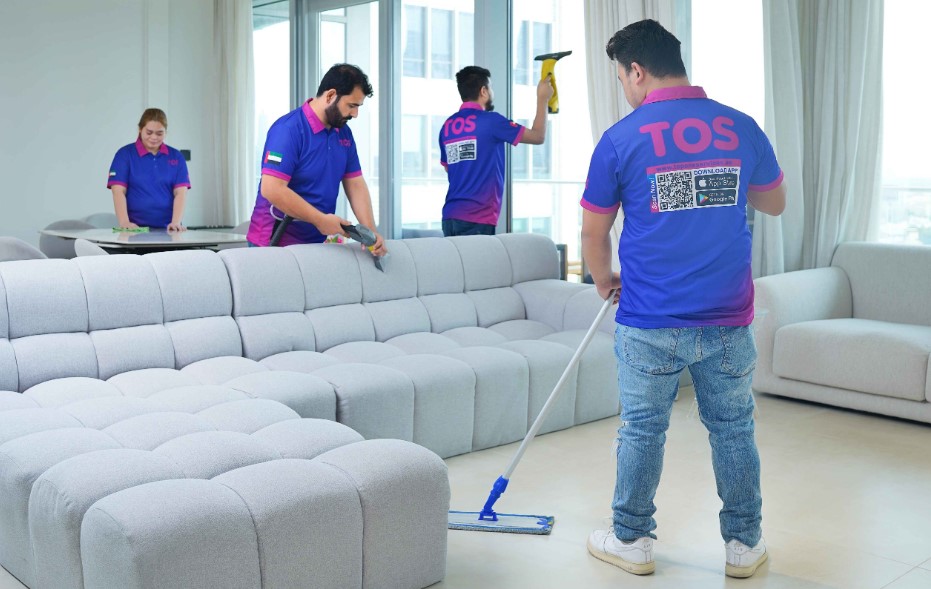

A microfiber sofa is made from ultra-fine synthetic fibers that make it soft, durable, and great for families, kids, and pets. It’s popular because it resists wear and tear and is easy to maintain.
However, microfiber can still develop water marks, stains, odors, pet messes, and trapped dirt if not cleaned properly. Understanding how to clean it the right way helps keep the fabric looking smooth, fresh, and long-lasting.
Check the Microfiber Cleaning Code (W, S, W/S, X)
Before cleaning, look for the cleaning code on the tag under the cushions or on the manufacturer label. This code tells you which products are safe to use on your microfiber sofa.
What each code means:
-
W – Water-based cleaners are safe (mild soap, upholstery shampoo).
-
S – Use solvent-based cleaners only (rubbing alcohol, dry-cleaning solvent).
-
W/S – Both water and solvent cleaners are safe.
-
X – Do not use liquids. Vacuum only; deep cleaning must be done professionally.
Quick Reference Table:
Safety Note:
Always test any cleaner on a hidden spot first to make sure it doesn’t leave marks or damage the fabric.
Safety Precautions Before Cleaning
Before you start cleaning your microfiber sofa, follow these simple safety tips to avoid damage or stains.
-
Avoid over-wetting microfiber – too much liquid can cause water rings and uneven patches.
-
Never mix cleaning products — combining chemicals can damage the fabric or create harmful fumes.
-
Use soft, white cloths only to prevent color transfer or dye staining your sofa.
-
Work in a well-ventilated area when using rubbing alcohol or solvent cleaners.
-
Keep heat tools on low settings — high heat from hairdryers or steamers can distort or shrink microfiber.
These precautions help you clean safely and protect the fabric from accidental damage.
Quick Daily/Weekly Cleaning (For All Microfiber Types)
For simple upkeep, a few quick steps can keep your microfiber sofa looking clean and fresh:
-
Vacuum with an upholstery attachment to remove crumbs, dust, and pet hair.
-
Brush with a soft-bristle brush to lift the fibers and restore the sofa’s smooth texture.
-
Do a light surface wipe only if your cleaning code (W or W/S) allows it. Use a slightly damp cloth—never soak the fabric.
These small, regular steps prevent dirt buildup and make deep cleaning much easier later.
Deep Cleaning by Fabric Code
For W-Code Microfiber (Water-Safe)
W-code fabrics can be cleaned with water-based products like mild soap, dish soap, or upholstery shampoo. Mix a small amount of cleaner with warm water, create light foam, and clean using a damp (not wet) cloth. Work in small sections and avoid soaking the fabric to prevent water rings. Blot dry with a clean cloth afterward.
For S-Code Microfiber (Solvent-Only)
S-code sofas must be cleaned with solvent-based products such as rubbing alcohol or dry-cleaning solvent. Spray the solvent lightly on the stain, gently scrub with a soft brush, and let it evaporate. Always clean in a well-ventilated area and avoid open flames, as solvents are flammable.
For W/S-Code Microfiber
W/S fabrics allow both water and solvent cleaners. Use water-based cleaners for general dirt and switch to rubbing alcohol for tougher stains like grease or ink. Choose the gentlest option first and avoid over-wetting the fabric.
For X-Code Microfiber
X-code microfiber must not be cleaned with liquids. Do not use water, soap, or solvents. The only safe method is vacuuming and brushing to lift dirt. For stains or deep cleaning, it’s best to call a professional cleaner to avoid damage.
For delicate microfiber sofas—especially X-code or heavily stained fabrics—DIY methods can sometimes do more harm than good. In such cases, choosing professional sofa cleaning services ensures deep stain removal, odor control, and fabric-safe cleaning methods without risking damage to your upholstery.
How to Remove Different Types of Stains
Wet Spills (Juice, Water Marks, Soda)
For fresh spills, blot gently—never rub, as rubbing pushes liquid deeper into the microfiber. Use a water-based cleaner for W-code sofas and rubbing alcohol for S-code fabrics. Work lightly and dry the area quickly to avoid water rings.

Dry Stains (Food, Dirt, Chocolate, Dust)
Use a soft-bristle brush to loosen and lift dry residue without damaging the fibers. After brushing, clean the area with the cleaner allowed by your fabric code. Avoid scrubbing too hard to protect the texture.
Grease & Oil Stains
For W-code microfiber, a tiny amount of dish soap mixed with water works well. For S-code fabrics, use rubbing alcohol to break down the oil. Never use heavy detergents or oily cleaners—they can make stains worse.
Tough Stains (Ink, Wine, Makeup, Pet Urine)
Use a code-safe cleaner: rubbing alcohol for ink (S-code), mild soap mix for wine or makeup (W-code), and an enzyme cleaner for pet urine if safe for your fabric. For W-code sofas, you can also try a natural vinegar + water mix on minor stains. Always test first on a hidden spot.
How to Remove Odors from a Microfiber Sofa
Baking Soda Deodorizing (Safe for Most Codes Except X)
Sprinkle baking soda over the sofa and let it sit for 15–30 minutes to absorb odors, then vacuum it off. This works well for food smells, sweat, and general mustiness.
Alcohol Spray for S-Code Sofas
For S-code microfiber, lightly mist the surface with rubbing alcohol. It kills odor-causing bacteria and dries quickly without damaging the fabric. Avoid over-spraying and ensure proper ventilation.
Enzyme Cleaners for Pet Odors (W-Code Only)
If your microfiber is W-coded, use a gentle enzyme cleaner to break down pet urine smells. Apply lightly, blot gently, and avoid soaking the fabric.
Airflow & Sun Exposure
Improve ventilation by opening windows or using fans. A few hours of indirect sunlight helps freshen the sofa and reduces odors—just avoid strong, direct sun to prevent fading.
Drying Microfiber Properly
Why Air Drying Is Essential
Microfiber should always air dry, because high heat can shrink the fibers, leave marks, or change the texture of the fabric.
How to Avoid Water Rings
After cleaning, blot extra moisture with a dry cloth and make sure the area dries evenly. Cleaning in small sections also helps prevent water rings.
Using a Hairdryer (Cool/Low Only)
If you need faster drying, use a hairdryer on the cool or low setting, holding it several inches away. Never use high heat, as it can damage the fabric.
Fluffing the Fibers After Drying
Once dry, gently brush the sofa with a soft-bristle brush to bring back the microfiber’s natural soft, fluffy texture.
Natural & DIY Cleaning Solutions
Mild Soap + Warm Water (W-Code Only)
Mix a tiny amount of mild dish soap with warm water to create light foam. This is safe for W-code microfiber and works well for general dirt and light stains. Always use a damp—not wet—cloth.
Vinegar Solution (W-Code Only)
A mix of white vinegar and water can help with odors and mild stains on W-coded fabrics. Use lightly and always test first, as too much vinegar can leave marks.
Alcohol Spray (S-Code)
For S-code microfiber, use rubbing alcohol as a natural, fast-drying cleaner. It removes stains, disinfects, and doesn't soak the fabric. Mist lightly and blot as needed.
Baking Soda Deodorizer (Most Codes Except X)
Sprinkle baking soda on the sofa, let it sit for 15–30 minutes, and vacuum it off. It absorbs smells naturally without wetting the fabric.
Natural Cleaners to Avoid
Avoid oily cleaners, harsh detergents, lemon juice, essential oils on fabric, or anything heavily acidic, as they can discolor or damage microfiber. Always stick to code-safe, gentle options.
What NOT to Use on Microfiber
Bleach
Never use bleach—it damages microfiber fibers and causes permanent discoloration.
Abrasive Brushes
Hard or rough brushes can scratch the fabric and leave the surface looking worn. Always use a soft-bristle brush only.
Heavy Steam Cleaners
Strong steam can overheat microfiber, causing shrinkage, texture changes, or water rings. Avoid high-pressure or high-heat steam tools.
Too Much Water
Microfiber absorbs liquid quickly, so over-wetting can create water stains, rings, and long drying times that may lead to odors.
Colored Cloths That Bleed Dye
Avoid using dark or dyed cloths—they can transfer color onto the sofa. Stick to clean, white microfiber cloths.
Oil-Based Polishes
Never use oily sprays or conditioning products. They soak into microfiber and leave greasy marks that are almost impossible to remove.
Preventive Care & Maintenance Tips
Use Fabric Protector Spray (Code-Safe)
Apply a microfiber-safe fabric protector to help repel spills and make future cleaning easier. Always follow your sofa’s cleaning code before using any spray.
Rotate Cushions Weekly
Switch and flip cushions every week to prevent uneven wear, dents, and fabric flattening.
Vacuum Pet Hair Often
Regular vacuuming with an upholstery tool helps keep pet hair, dust, and dirt from settling deep into the fibers.
Use Washable Throws in High-Traffic Areas
Place soft, washable blankets or throws over areas used most—like the center cushions or armrests—to reduce dirt buildup and extend the sofa’s life.
Regular care not only keeps your sofa clean but also extends the life of your other upholstered items. For homeowners looking to maintain a spotless living space, furniture cleaning services can help refresh sofas, chairs, and other fabric furniture safely and effectively.
Address Spills Immediately
Blot spills right away before they soak in. Quick action prevents stains, water rings, and lingering odors.
FAQs
Can you steam clean a microfiber sofa?
Only if the cleaning code allows it (usually W or W/S). Use low heat and avoid over-wetting. For S or X-code microfiber, steam cleaning is not safe.
Why does my microfiber look patchy after cleaning?
Patchiness happens when the fabric dries unevenly or gets too wet. Let it dry completely, then gently brush the fibers with a soft-bristle brush to restore the even texture.
How often should I deep clean a microfiber sofa?
A deep clean every 3–4 months is ideal. Light vacuuming and brushing can be done weekly to keep the fabric fresh.
How do I prevent water stains?
Use minimal water, clean in small sections, and blot dry immediately. For water-sensitive (S-code) sofas, use rubbing alcohol instead of water to avoid rings.
Prefer to leave it to the professionals? See our Professional sofa cleaning in Dubai.