


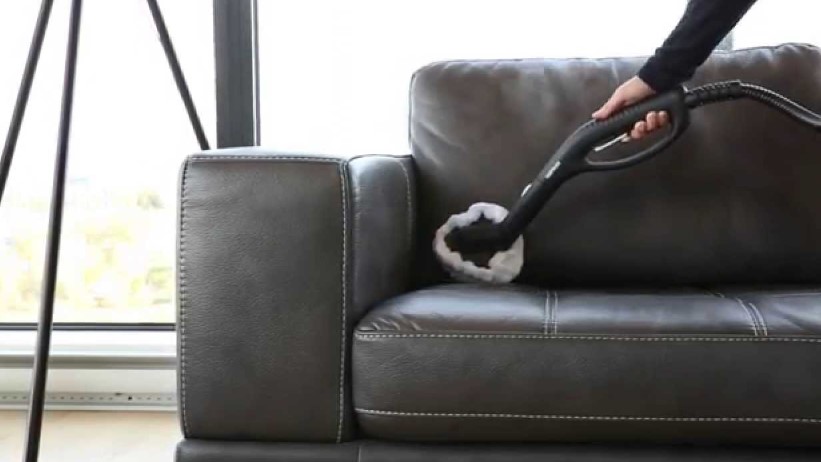

Cleaning a leather sofa is important because leather absorbs oils, dust, and dirt over time, which can make it look dull and wear out faster. Regular cleaning removes buildup, prevents cracks, and keeps the surface smooth. The biggest benefit is that a clean sofa stays soft, looks new for longer, and lasts much more than an unmaintained one.
What You Need Before Cleaning
Before you start, gather a few simple tools to make the process easy and safe. You’ll need a mild soap or a dedicated leather cleaner, along with a soft or microfiber cloth for wiping. A soft brush can help with deeper cleaning, especially in the grain or seams. Keep a bowl of warm water nearby for mixing or rinsing. Finish the job with a leather conditioner to keep the surface soft and protected.
Quick Steps: How to Clean a Leather Sofa (Easy Guide)
Start by removing dust and loose dirt with a dry microfiber cloth. Mix a small amount of mild soap with warm water, then dampen a cloth in the solution and wipe the sofa gently. If you see deeper dirt in the grain, use a soft brush to loosen it. Wipe the surface again with a clean, dry cloth to remove any moisture. Once the sofa is fully dry, apply a leather conditioner to keep it soft and protected.
How to Clean a White Leather Sofa
White leather needs extra care, so always use gentle products only. Clean the surface with foam or a lightly damp cloth instead of soaking it, as too much liquid can leave marks. Avoid strong or colored cleaners that may stain the leather. After wiping, dry the area immediately with a clean cloth to prevent streaks or discoloration.
Deep Cleaning for Stubborn Dirt
For tougher dirt, use a soft brush to reach into the leather grain. Gently work in circular motions to lift the buildup without damaging the surface. Once the dirt comes up, wipe away the foam and residue with a clean microfiber cloth to leave the leather smooth and fresh.
DIY Leather Cleaning Solutions (Safe Home Methods)
You can clean your leather sofa using simple home ingredients as long as you use them gently and correctly. A mild soap and water mix is the safest option—just add a small drop of soap to warm water and wipe with a damp cloth, not soaking the leather. A white vinegar and water mix can help cut through grime, but always dilute it 1:1 and test on a hidden spot first.For odors, sprinkle baking soda nearby or on a cloth placed on the sofa—avoid rubbing it directly into the leather. Use each method lightly and always dry the leather afterward.
Stain Removal Guide
Ink Stains: Use a tiny amount of rubbing alcohol on a cotton swab and dab gently—never rub. Test first on a hidden spot.
Oil & Grease: Sprinkle baking soda on the area and let it sit for a few hours to absorb the oil, then wipe clean.
Food & Drink: Clean with a mild soap solution, wiping gently until the stain lifts.
Dye Transfer: Use a gentle leather cleaner to remove the color, then apply conditioner to restore the finish.
What NOT to Use on a Leather Sofa
Avoid using bleach, ammonia, or any harsh chemicals because they can discolor or damage the leather. Don’t use too much water, as soaking the surface can cause stains or cracking. Stay away from abrasive scrubbers as well—they can scratch the finish and wear down the leather quickly.
How to Clean Different Types of Leather
Real Leather: Use mild soap or a leather cleaner applied with a damp cloth or sponge. Wipe gently, dry immediately, and finish with a leather conditioner to keep it soft and prevent cracking.
Faux Leather: Clean with a mild soap and water mix or a gentle all-purpose cleaner. Faux leather doesn’t need conditioner, but always dry it well to avoid peeling.
PU Leather: Wipe with a mild soap solution and avoid strong chemicals, as PU can crack easily. Use a light moisturizer made for synthetic leather if the surface looks dry.
Bonded Leather: Handle carefully because it peels faster than other types. Use only mild soap and water, avoid scrubbing, and dry gently. Conditioning is not recommended as it won’t absorb.
Best Approach:
Real leather needs cleaner + conditioner.
Faux, PU, and bonded leather need gentle wiping only—no heavy moisture, no harsh products.
Since leather is also used in chairs, recliners, and other seating, furniture cleaning services help maintain all leather and upholstered furniture using material-specific methods that protect texture, color, and durability.
How to Protect and Maintain a Leather Sofa
Condition your leather sofa every 3–6 months to keep it soft and prevent cracking. Always keep it away from direct sunlight or heat sources, as these can dry out and fade the leather. Dust the surface weekly with a soft cloth to stop dirt from building up. If spills happen, clean them immediately to prevent stains and moisture damage.
Common Mistakes to Avoid
Avoid using too much water, as leather absorbs moisture and can stain or weaken. Don’t scrub too hard—this can damage the finish and create rough patches. Never skip conditioning, since dry leather cracks faster. Also avoid household chemicals like bleach or ammonia, which can permanently damage or discolor the surface.
If your leather sofa has deep stains, strong odors, or visible wear, using leather sofa cleaning services ensures safe cleaning, conditioning, and protection without cracking, fading, or stripping the leather’s natural oils.
To explore all available options and get expert help, you can view our different types of cleaning services in Dubai and choose the right solution for leather sofas and other furniture in your home.
Frequently Asked Questions
How often should I clean my leather sofa?
Do a light wipe weekly and a full clean with conditioning every 3–6 months.
Can I use soap on leather?
Yes, but only mild soap mixed with water—and always test it on a hidden spot first.
How do I remove smells?
Wipe with a mild cleaner, air out the room, and place baking soda or charcoal bags nearby (not directly on the leather).
What is the safest cleaner?
A dedicated leather cleaner is safest. Mild soap and water is the best home alternative.